
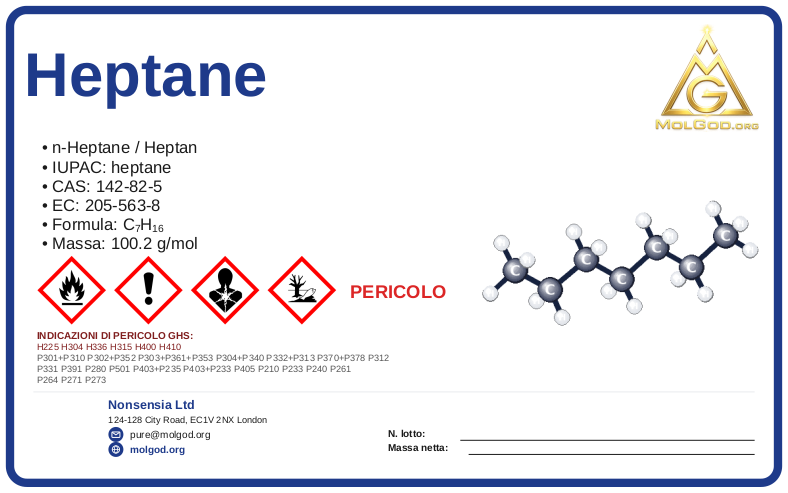
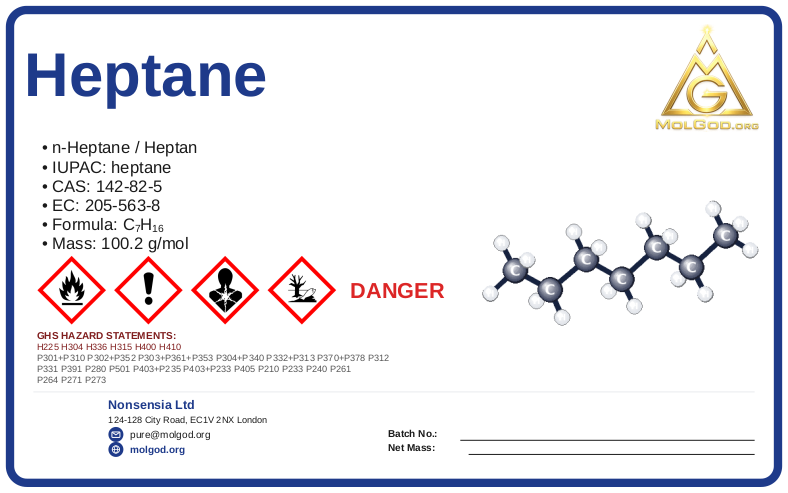
Heptane (CAS 142-82-5)
CAS 号: 142-82. CAS 142-82-5. CAS 号: 142-82-5.
Free, and generated automatically from the sources listed on this page. No person has reviewed it, and it describes the substance in general — not your material, your process or your intended market.
Sezione 9 — proprietà chimico-fisiche: 13 su 22 stabilite.
Mostriamo ciò che è accertato e indichiamo ciò che non lo è. Classificazione e identità sono complete su ogni scheda; è nella sezione 9 che i dati pubblici sono scarsi.
SOLO DOCUMENTAZIONE E MODELLI STAMPATI IN 3D
Questa pagina offre documentazione relativa alla sostanza indicata. MolGod non vende né fornisce la sostanza chimica in sé.
Dati scientifici · Acquirente · Conformità
Identità, struttura, proprietà fisiche e chimiche, dati analitici e letteratura — ogni valore con la fonte da cui proviene e la data in cui la fonte è stata consultata. Il record completo si trova nelle sezioni dati più in basso in questa pagina.
- Identità CAS · EC · IUPAC · sinonimi · formula molecolare · peso molecolare
- Struttura 2D · 3D · SMILES · InChI · InChIKey
- Proprietà fisiche punto di fusione · punto di ebollizione · densità · tensione di vapore · solubilità
- Proprietà chimiche reattività · stabilità · materiali incompatibili
- Dati analitici spettri e metodi, ove disponibili
- Riferimenti letteratura, con DOI ove esista
La copertura degli identificativi è indicata come conteggio, non come valutazione di qualità. Indica quanto questa sostanza sia ben caratterizzata nei dati pubblici — una domanda diversa da quanto sia buona, e più utile quando si deve decidere se la documentazione che la accompagna è difendibile.
Questa pagina vende la documentazione di questa sostanza, non la sostanza. Scegli il livello di cui hai bisogno.
- €0Audit della scheda che già possiediInviaci la scheda che già possiedi per questa sostanza e ti diremo cosa c’è di sbagliato. Uno per azienda. Se risulta corretta, non acquisti nulla.Avvia l’audit gratuito →
- €49.99Bozza di lavoroIl documento completo in sedici sezioni, con riferimenti, scaricabile subito dopo l’acquisto. La scelta giusta finché le pratiche sono ancora in corso.
- €249.99Scheda firmataLo stesso documento revisionato e firmato, rilasciato entro 72 ore dalla ricezione di dati completi — per il momento in cui qualcuno di ufficiale chiede chi ne risponde.
Documentazione disponibile per questa sostanza: scheda di dati di sicurezza · etichetta CLP · certificato di analisi su richiesta · specifica. Lingue: la lingua ufficiale del tuo mercato di destinazione, prodotta per ogni scheda.
Grado, purezza, forma fisica, confezionamento, ordine minimo e tempi di consegna non sono indicati, perché MolGod non fornisce il materiale — sono informazioni relative a un venditore, e in questa pagina non c’è alcun venditore. Compaiono negli shop che realizziamo per i fornitori, dove qualcuno può risponderne.
Cosa verifica un responsabile della conformità e dove si trova nel documento. I valori sono nelle sezioni normative più in basso.
- Classificazione voce armonizzata con numero indice, ove esista; autoclassificazione mostrata separatamente e contrassegnata, mai unita
- Indicazioni di pericolo il testo ufficiale, nella lingua della pagina
- Consigli di prudenza consigli combinati riprodotti per intero, mai separati
- Pittogrammi e avvertenza
- Stato negli inventari per giurisdizione, ciascuno indicato singolarmente
- Restrizioni voce e ambito, ove applicabile
- Autorizzazione voce e data di scadenza, ove applicabile
- Elenco delle sostanze candidate stato e obbligo nella catena di approvvigionamento che ne deriva
- Trasporto voce per modalità — strada, mare, aria
- Valori limite di esposizione per paese, ciascuno con l’atto da cui deriva
- Stato del documento data di revisione e modifica in vigore al momento del rilascio
I campi senza uno stato accertato lo dichiarano. Questa pagina non afferma mai che non si applicano restrizioni — l’assenza da un insieme di dati non è un via libera, e un documento che la tratta come tale è il tipo di documento più pericoloso in questo campo.
Cosa ricevi — e cosa non è
Cosa ricevi
- Una scheda di dati di sicurezza digitale in PDF, nella struttura in sedici sezioni dell'allegato II di REACH (regolamento 1907/2006).
- Identificazione della sostanza, classificazione dei pericoli, informazioni chimico-fisiche, tossicologiche ed ecologiche e riferimenti normativi.
- Classificazione verificata rispetto alla voce armonizzata dell’allegato VI del CLP, ove esista per la sostanza.
- Un numero di versione, una data di compilazione e la fonte di ogni valore che ne ha una.
- Consegna via e-mail. Nessuna spedizione.
Cosa non è
- Non una sostanza chimica, non un campione, né alcun bene fisico.
- Non è una certificazione. Nell’Unione europea non esiste alcun sistema ufficiale di certificazione delle schede di dati di sicurezza.
- Non è un’approvazione legale né una garanzia di conformità in alcuna giurisdizione.
- Non sostituisce la tua valutazione normativa né la scheda di dati di sicurezza fornita dal fabbricante o dall’importatore della sostanza effettivamente in tuo possesso.
- Senza adattamento a uno specifico luogo di lavoro, processo o allegato nazionale, salvo che tu fornisca tali informazioni.
Quando le evidenze disponibili non supportano un valore, la scheda indica che il valore non è stabilito anziché stimarlo. Un campo senza fonte registrata viene contrassegnato come tale.
Cosa contiene il pacchetto per l’acquirente
Tutto ciò che il tuo responsabile della conformità chiederà, in un unico file.
- La pagina prodotto in PDF — il record così come pubblicato, affinché ciò che inoltri corrisponda a ciò che leggi.
- La scheda di dati di sicurezza al tuo livello di accesso — sedici sezioni nell’ordine stabilito dall’allegato II del regolamento REACH, per questa sostanza, nella lingua che selezioni.
- Il layout dell’etichetta CLP — generato dalla stessa classificazione della scheda, così i due non possono essere in contrasto.
- La specifica, e il certificato di analisi ove esistano dati di lotto.
sources.txt— ogni citazione con la data in cui è stata consultata.- Un elenco esplicito di ciò che non siamo riusciti ad accertare — campi contrassegnati come non disponibili anziché riempiti con una stima. È la parte onesta del documento e non la nascondiamo in una nota a piè di pagina.
Il tuo acquirente europeo inoltrerà questo materiale a qualcuno che non era presente alla call. Il pacchetto esiste perché ciò che inoltra sia completo, autoesplicativo e tracciabile — anziché quattro allegati e una frase che inizia con “Credo che sia tutto”.
Informazioni sulle versioni linguistiche
Questi cambiano la lingua di questa pagina. Single substances. Mixtures on enquiry. One document, one language — additional languages are priced separately. Every version, including the Chinese one, is written to EU law — (EC) No 1907/2006 (REACH) Annex II and (EU) 2020/878 — and translated from it. The Chinese version is a reference translation, not a legally valid document for the Chinese market: an SDS for China must be compiled separately to GB/T 16483 and GB/T 17519.

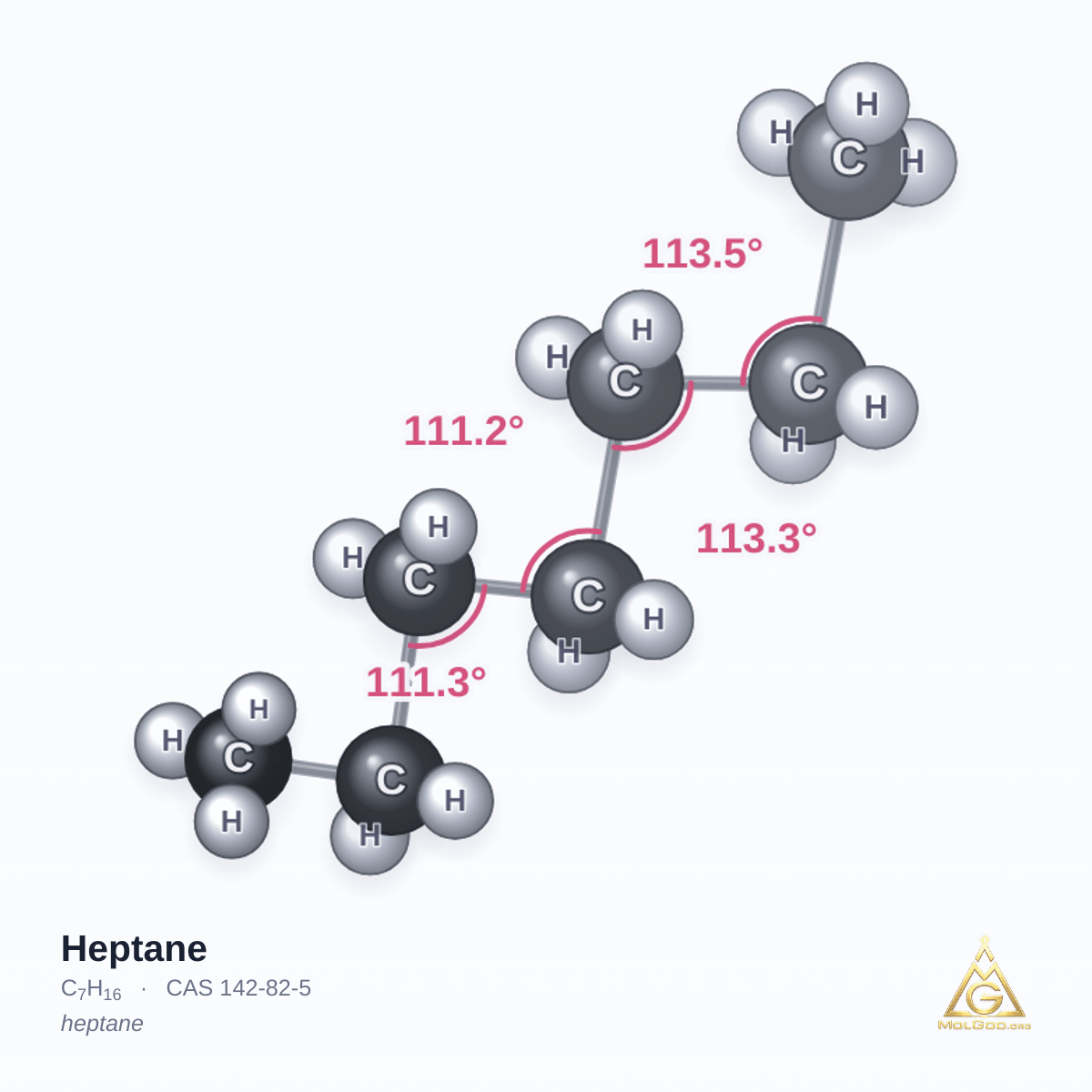
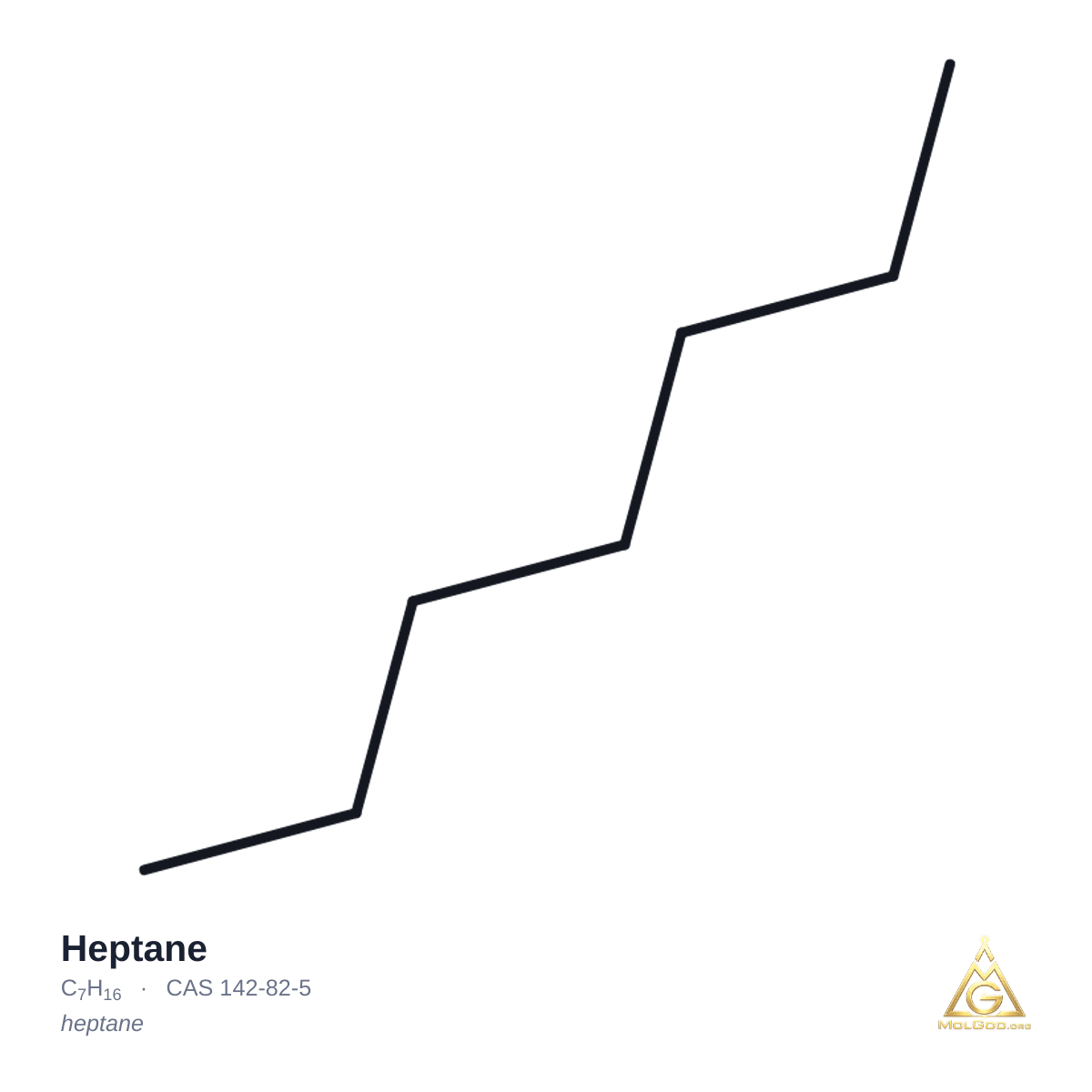
Dati trascritti da registri normativi e letteratura tecnica, con indicazione della fonte e dell'edizione. Non sostituiscono la scheda di dati di sicurezza del fornitore. I campi privi di fonte registrata sono contrassegnati come tali.
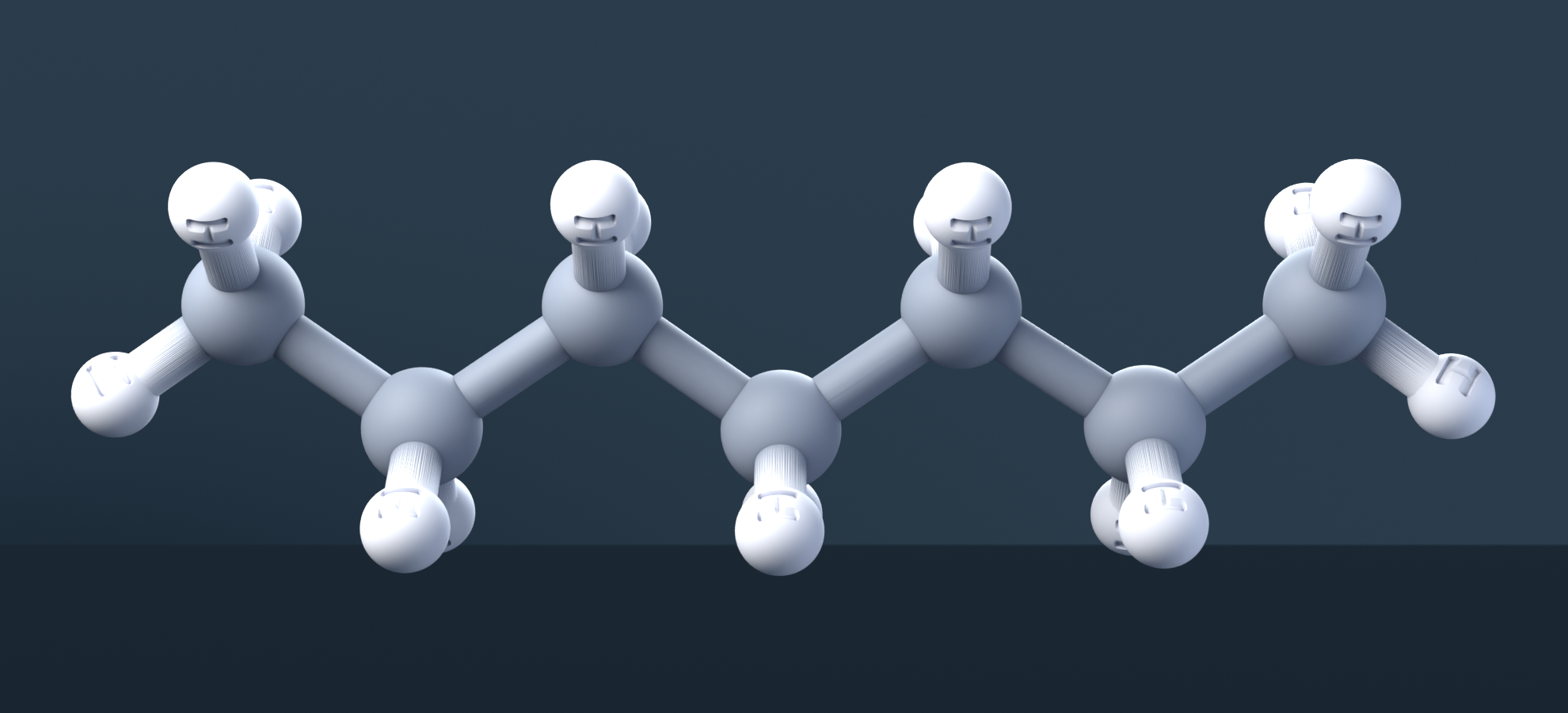
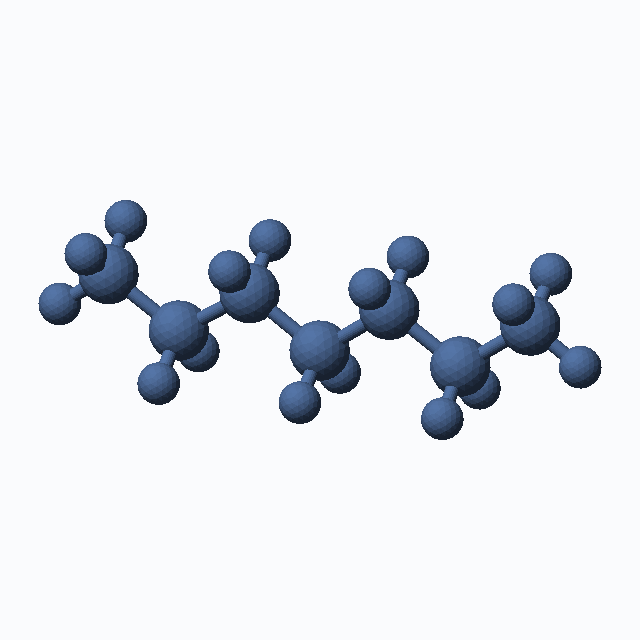
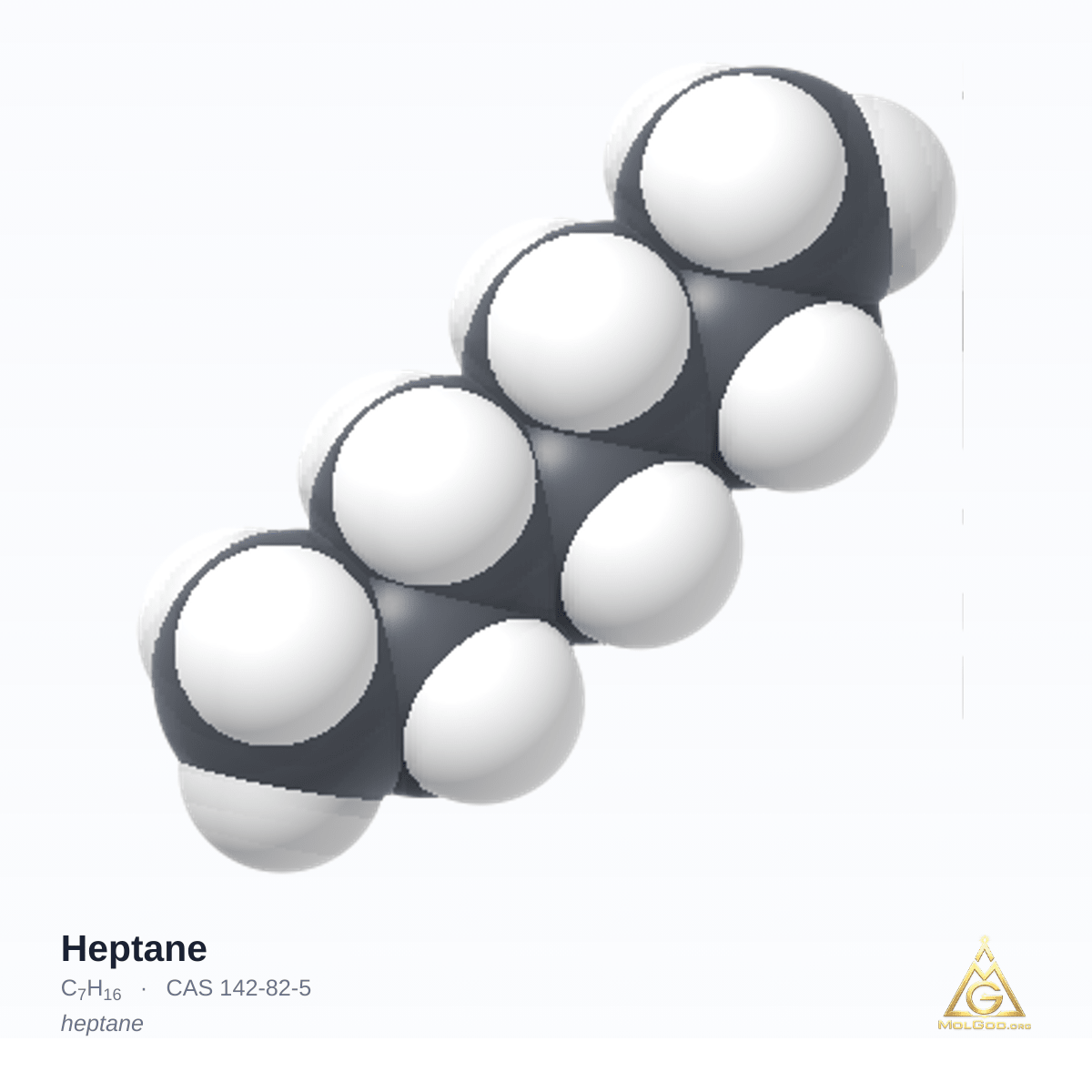
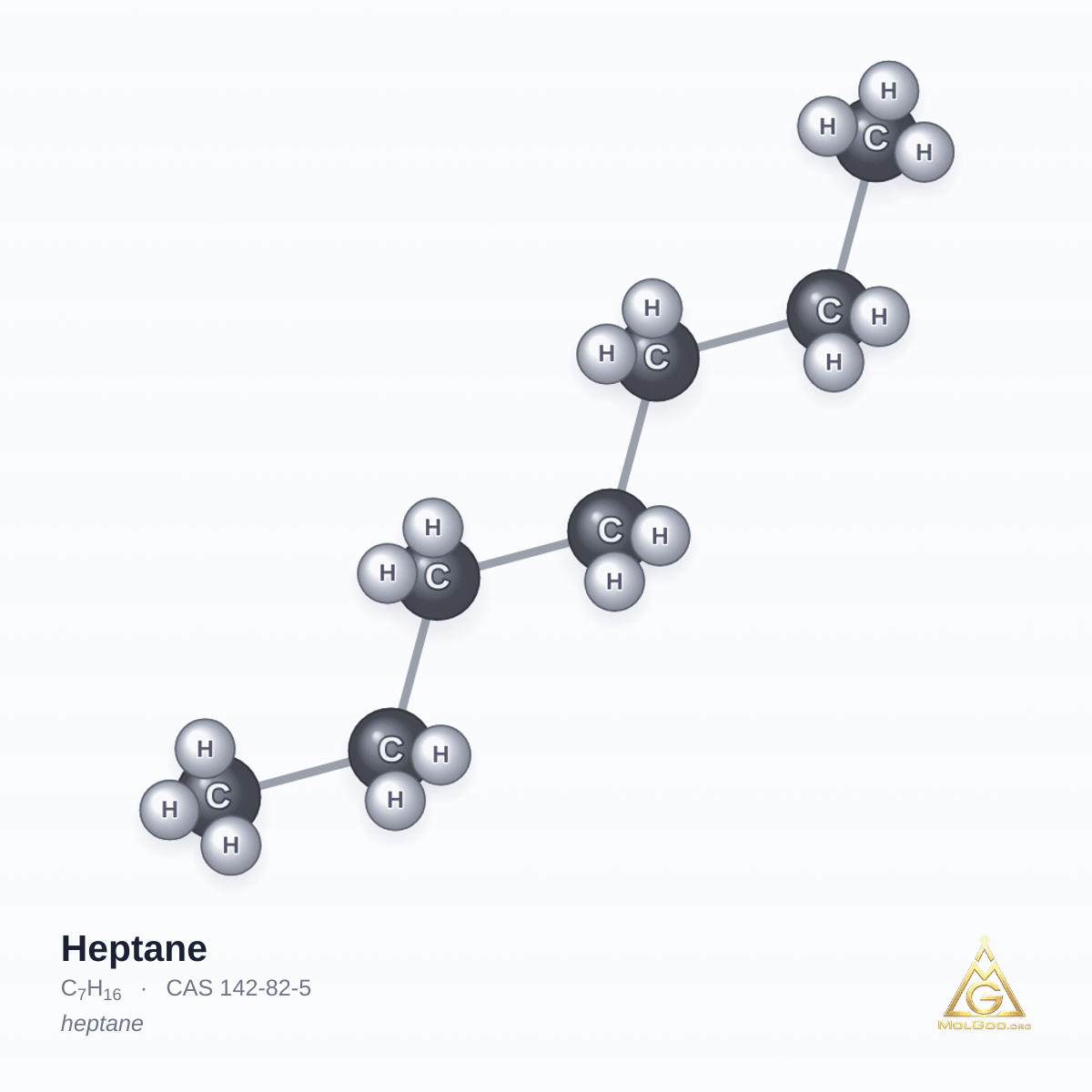
📊 Dati chimico-fisici — CAS 142-82-5
Proprietà fisico-chimiche
Riferimento rapido
🔬 Proprietà avanzate
Identificatori chimici
CCCCCCC Ultimo aggiornamento: 2026-09-02
Panoramica chimica: Heptane
| Formula molecolare | C7H16[1] |
| Peso molecolare | 100.2 g/mol[1] |
| Punto di fusione | -90.56 °C[1][2] |
| Punto di ebollizione | 98.39 °C[1][2] |
| Densità | 0.68 g/cm³[1] |
| LogP (lipofilia) | 4.4[1] |
| Nome IUPAC | heptane[1] |
| SMILES | CCCCCCC[1] |
| InChIKey | IMNFDUFMRHMDMM-UHFFFAOYSA-N[1] |
Sinonimi: HEPTANE · n-Heptane · 142-82-5 · Heptan · Heptyl hydride
Fonti dei dati: PubChem (NLM/NIH)
Ultimo aggiornamento: 2026-10-16
📚 Riferimenti scientifici (Chicago Author-Date) (2 sources)
- PubChem. National Center for Biotechnology Information (NIH/NLM), chemical compound database. ↗ si applica a: Formula molecolare · Peso molecolare · Punto di fusione · Punto di ebollizione · Densità · LogP (lipofilia) · Nome IUPAC · SMILES · InChIKey
- NIST. Chemistry WebBook, SRD 69. National Institute of Standards and Technology. ↗ si applica a: Punto di fusione · Punto di ebollizione
RICERCA SCIENTIFICA
📚 Riferimenti scientifici (Chicago Author-Date) 18 refs · 4 baz
MOLECULE Bibliografia per-CAS (live da 13+ banche dati)
Fonti: db:Europe PMC (14) · db:pubmed (1) · db:arxiv (2) · db:crossref (2)
- db:Europe PMC et al.. (2026). "Synthesis of 1,3-Disubstituted 3-Azabicyclo[3.2.0]heptane Libraries for Fragment-Based Drug Discovery.". https://doi.org/10.1021/acs.orglett.6c02332 →
- db:Europe PMC et al.. (2026). "2,5-Diazabicyclo[2.2.1]heptane in medicinal chemistry: a treasure trove of therapeutic opportunities.". https://doi.org/10.1039/d5md00992h →
- db:Europe PMC et al.. (2026). "Effect of oxygenated ferrocene derivatives on soot formation and nanoparticle emissions in n-heptane diffusion flames.". https://doi.org/10.1039/d5ra09720g →
- db:Europe PMC et al.. (2026). "Atmospheric Pressure Corona Discharge Ionization of n-Heptane (I): Formation of the Molecular Ion M+• and Dehydrogenated Ions [M - 2H]+• and [M - nH]+ (n = 1, 3, 5).". https://doi.org/10.5702/massspectrometry.a0193 →
- db:Europe PMC et al.. (2025). "Selective P450BM3 Hydroxylation of the Spiro[3.3]heptane Core as a Route to Potential Drug Fragment Molecules.". https://doi.org/10.1021/acs.orglett.5c01265 →
- db:Europe PMC et al.. (2025). "Development of Indolo-Bicyclo[3.1.1]Heptane as a Carbazole Isostere Through Radical Indolization of Bicyclo[1.1.0]Butanes.". https://doi.org/10.1002/anie.202513774 →
- db:pubmed Dibchak D, Mykhailiuk PK. (2025). "3-Oxabicyclo[3.1.1]heptane as an Isostere of meta-Benzene.". Angewandte Chemie (International ed. in English). https://doi.org/10.1002/anie.202505519 →
- db:Europe PMC et al.. (2025). "Understanding the Reactivity of N-Heptane Blended with Ethanol or Ethyl Acetate.". https://doi.org/10.1021/acsomega.4c10828 →
- db:Europe PMC (2025). "Computational Access to 1,3,5,6,7-Pentanitro-3,6,7-Triazabicyclo-[3.1.1]-Heptane (UIX): A Powerful Potential Explosive with Zero Oxygen Balance.". https://doi.org/10.1002/asia.202500290 →
- db:Europe PMC (2025). "Recent Advances in the Synthesis of Bicyclo[4.1.0]Heptane Scaffolds.". https://doi.org/10.1002/asia.202500824 →
- db:Europe PMC (2025). "Field Ionization Mass Spectrometric and Quantum Chemical Analysis of Alkyl Fragment Ions Produced by Field Dissociation of n-Heptane, 2-Methyl Hexane, and 2-Methyl Heptane.". https://doi.org/10.1021/jasms.5c00127 →
- db:Europe PMC et al.. (2025). "Novel oxabicyclo[2.2.1]heptane-3-one derivatives with NO inhibitory and cytotoxic activities, and xanthone derivatives from the endolichenic fungus Exophiala sp.". https://doi.org/10.1016/j.bioorg.2025.108843 →
- db:Europe PMC et al.. (2025). "Desymmetrization of meso-Anhydride Enabled Enantioselective Synthesis of (-)-7-(Bromomethylene)-3-amidobicyclo[2.2.1]heptane-2-carboxamide, a Scaffold for Divergent Drug Discovery Synthesis.". https://doi.org/10.1021/acs.joc.5c02021 →
- db:Europe PMC et al.. (2025). "Highly Efficient Synthesis of Spiro[1-azabicyclo[3.2.0]heptane] Frameworks via [3+2]-Cycloaddition.". https://doi.org/10.1021/acs.joc.4c03183 →
- db:arxiv Luis Felipe Sanz, Juan Antonio González, Fernando Hevia et al.. (2024). "Thermodynamics of mixtures containing amines. XVII. Excess molar enthalpy and volume measurements for benzylamine + heptane or + 1-alkanol mixtures at 298.15 K. Application of the DISQUAC and ERAS models". arXiv (2410.00799v1). https://doi.org/10.1016/j.fluid.2022.113460 →
- db:arxiv Liang Ji, Kalyanasundaram Seshadri, Forman A. Williams. (2024). "Experimental and Computational Investigation of the Influence of Ethanol on Auto-ignition of n-Heptane in Non-Premixed Flows". arXiv (2406.08507v1).
- db:crossref Abu Bakr S.H. Salem. (1993). "Liquid-liquid equilibria for the systems triethylene glycol - toluene - heptane, propylene carbonate - toluene - heptane and propylene carbonate -o-xylene- heptane". Fluid Phase Equilibria. https://doi.org/10.1016/0378-3812(93)87184-3 →
- db:crossref L. T. Carmichael, B. H. Sage. (1956). "Diffusion coefficients in hydrocarbon systems: n‐heptane in the gas phase of the ethane–n‐heptane and propane–n‐heptane systems". AIChE Journal. https://doi.org/10.1002/aic.690020227 →
📡 Spettroscopia — CAS 142-82-5
🛡️ Sicurezza — CAS 142-82-5
Classificazione GHS/CLP — Regolamento (CE) n. 1272/2008 + UN GHS Rev. 9 (2021).
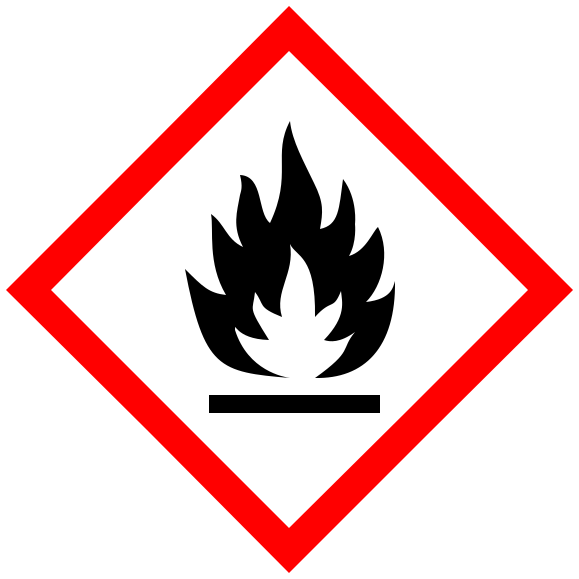

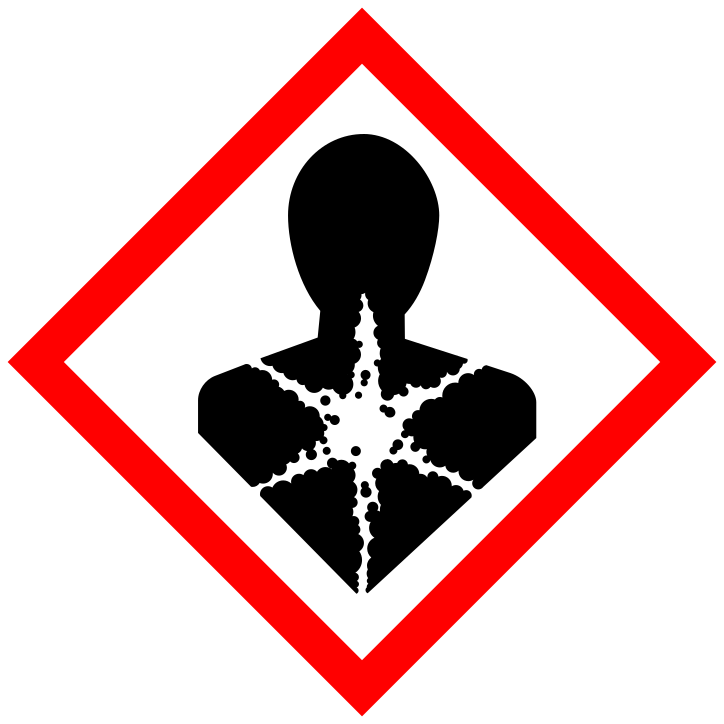
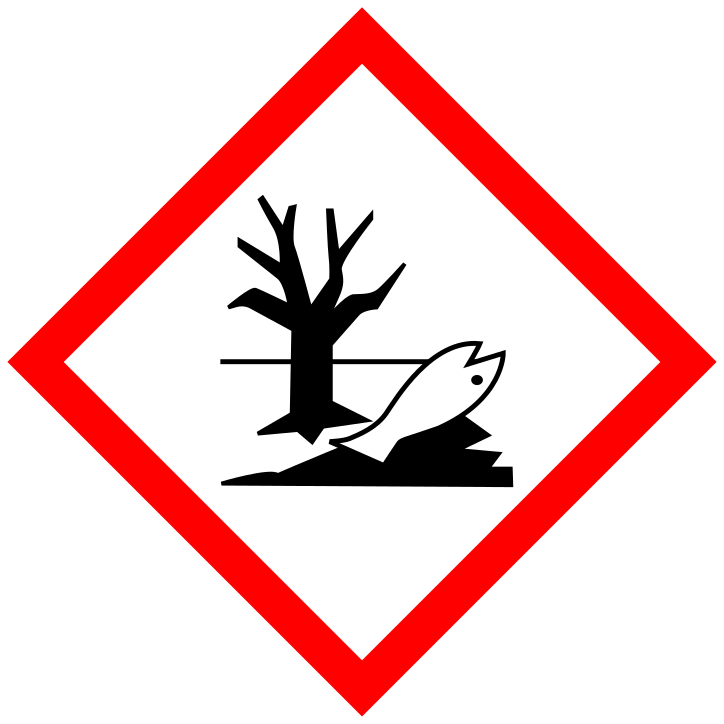
🚨 Indicazioni di pericolo (H)
- H225 — Liquido e vapori facilmente infiammabili.
- H304 — Può essere letale in caso di ingestione e di penetrazione nelle vie respiratorie.
- H336 — Può provocare sonnolenza o vertigini.
- H315 — Provoca irritazione cutanea.
- H400 — Molto tossico per gli organismi acquatici.
- H410 — Molto tossico per gli organismi acquatici con effetti di lunga durata.
🛡 Consigli di prudenza (P)
- P210 — Tenere lontano da fonti di calore, superfici calde, scintille, fiamme libere o altre fonti di accensione. Non fumare.
- P233 — Tenere il recipiente ben chiuso.
- P240 — Mettere a terra e a massa il contenitore e il dispositivo ricevente.
- P261 — Evitare di respirare la polvere/i fumi/i gas/la nebbia/i vapori/gli aerosol.
- P264 — Lavare accuratamente … dopo l’uso.
- P271 — Utilizzare soltanto all’aperto o in luogo ben ventilato.
- P273 — Non disperdere nell’ambiente.
- P280 — Indossare guanti/indumenti protettivi/Proteggere gli occhi/il viso.
- P301+P310 — IN CASO DI INGESTIONE: Contattare immediatamente un CENTRO ANTIVELENI/un medico/…
- P302+P352 — IN CASO DI CONTATTO CON LA PELLE: Lavare abbondantemente con acqua/…
- P303+P361+P353 — IN CASO DI CONTATTO CON LA PELLE (o con i capelli): Togliere immediatamente tutti gli indumenti contaminati.; Sciacquare la pelle [o fare una doccia].
- P304+P340 — IN CASO DI INALAZIONE: Trasportare l’infortunato all’aria aperta e mantenerlo a riposo in posizione che favorisca la respirazione.
- P312 — In caso di malessere, contattare un CENTRO ANTIVELENI/un medico/…
- P331 — NON provocare il vomito.
- P332+P313 — In caso di irritazione della pelle: Consultare un medico.
- P370+P378 — In caso di incendio: Utilizzare … per estinguere.
- P391 — Raccogliere il materiale fuoriuscito.
- P403+P235 — Conservare in luogo ben ventilato.: Conservare in luogo fresco.
- P403+P233 — Conservare in luogo ben ventilato.: Tenere il recipiente ben chiuso.
- P405 — Conservare sotto chiave.
- P501 — Smaltire il prodotto/recipiente in …
✓ Classificazione armonizzata ai sensi dell'allegato VI del regolamento CLP (CE) 1272/2008 (classificazione ufficiale, vincolante). Numero indice: 601-008-00-2.
Riferimento (Chicago): European Chemicals Agency. "heptane; n-heptane, Index No. 601-008-00-2." In Table 3 of Annex VI to Regulation (EC) No 1272/2008 (CLP Regulation), 23rd Adaptation to Technical Progress (harmonised list as of 2026-07-07). Helsinki: European Chemicals Agency, 2026. https://echa.europa.eu/information-on-chemicals/annex-vi-to-clp.
Traduzioni: Regolamento CLP (CE) 1272/2008, Allegato III e IV. Dati: PubChem/NLM.
📚 Riferimenti scientifici consolidati — Chicago Author-Date 10 sources
Riferimenti raccolti da tutte le schede del Safety Hub. CAS: 142-82-5 ·
PubChem ↗
- Parlament Europejski i Rada UE. 2008. "Regulation (EC) nr 1272/2008 w sprawie klasyfikacji, oznakowania i pakowania substancji (CLP)." Dz.Urz. UE L 353. [↗] GHS, Normative
- United Nations Economic Commission for Europe (UNECE). 2021. "Globally Harmonized System of Classification and Labelling of Chemicals (GHS), Ninth Revised Edition." United Nations, Geneva. [↗] GHS
- Goldfrank, Lewis R., Robert S. Hoffman, Mary Ann Howland, et al.. 2019. "Goldfrank's Toxicologic Emergencies, 11th ed.." McGraw-Hill Education, New York. ISBN 978-1-25-985961-8. Primo soccorso, Tossicologia
- National Institute for Occupational Safety and Health (NIOSH). 2023. "NIOSH Pocket Guide to Chemical Hazards (DHHS Publ. 2005-149)." U.S. Department of Health and Human Services / CDC, Cincinnati, OH. [↗] Primo soccorso, DPI, Tossicologia
- European Committee for Standardization (CEN). 2016. "EN 374-1:2016 — Protective gloves against dangerous chemicals and micro-organisms." CEN, Brussels. [↗] DPI
- UNECE. 2023. "European Agreement Concerning the International Carriage of Dangerous Goods by Road (ADR 2025)." United Nations, Geneva. [↗] Smaltimento, Normative
- National Fire Protection Association (NFPA). 2022. "NFPA 400 — Hazardous Materials Code." NFPA, Quincy, MA. [↗] Stoccaggio
- Urben, P.G. (ed.). 2017. "Bretherick's Handbook of Reactive Chemical Hazards, 8th ed.." Butterworth-Heinemann / Elsevier, Oxford. [↗] Stoccaggio
- Ministerstwo Klimatu i Środowiska RP. 2023. "Baza danych o produktach i opakowaniach oraz o gospodarce odpadami (BDO)." Ministerstwo Klimatu i Środowiska, Warszawa. Norme nazionali — Polonia [↗] Smaltimento
- International Agency for Research on Cancer (IARC / WHO). 2024. "IARC Monographs on the Identification of Carcinogenic Hazards to Humans — List of Classifications." WHO, Lyon. [↗] Tossicologia
Le schede con riferimenti propri (Emergency, PPE, Storage, Waste) contengono ulteriori voci bibliografiche all'interno delle rispettive sezioni.
Statistica analitica (t-test · RSD · Grubbs · Q-Dixon) ICH Q2
Incolla una serie di misure replicate (CSV oppure un numero per riga). Il calcolatore calcolerà la media, la deviazione standard e il 95% CI, e rileverà gli outlier (Grubbs + Dixon Q).
📐 Formule statistiche
x̄ = Σxᵢ / n— media aritmeticas² = Σ(xᵢ - x̄)² / (n-1)— varianza campionarias = √s²— deviazione standardRSD% = (s / x̄) × 100%— deviazione standard relativaCI₉₅ = x̄ ± t(0.05, n-1) × s / √n— Student's tG = |xᵢ - x̄| / s— test di GrubbsQ = |xsuspect - xnearest| / |xmax - xmin|— Dixon Q-test
Fonte: ICH Q2(R2) Validation of Analytical Procedures · ICH PDF ↗
Calcolatore di ricette per tamponi UNIQUE
Scegli un tampone dall'elenco di 20 sistemi popolari → inserisci il pH target → otterrai una ricetta esatta con le masse da pesare.
Passo 1: Scegli un sistema tampone
📜 Cronologia delle ricette (ultime 10)
Classificazione di trasporto (ADR / IATA / IMDG)
UN 1206 — verificare la classe di trasporto nell’ADR 2025 (tabella A). La sezione 14 della scheda riporta un numero ONU, ma senza una classe ADR confermata.
Fonti: ADR 2025 ↗ · IATA DGR ↗ · IMDG Code ↗
Project Planner — Gestore degli esperimenti di laboratorio NOVITÀ
Pianifica l'intero progetto di laboratorio: aggiungi esperimenti con reagenti, repliche e durata. Otterrai un diagramma di Gantt, una lista degli acquisti (con link al negozio!), un budget con un margine del 10% e una matrice dei rischi GHS.
💡 Accedi per salvare i progetti. Senza effettuare l'accesso puoi calcolare, ma non salvare.
🧪 Assistente di preparazione della soluzione (Smart Prep)
Inserisci cosa vuoi preparare — genererò una SOP
📚 Panoramica della letteratura scientifica — CAS 142-82-5
⭐ Risultati principali (letteratura scientifica) 19 publications
142-82-5
— multi-criteria ranking (W12): 30% citazioni · 20% recency · 20% topic · 15% historical · 15% open access.
-
#1Dibchak D, Mykhailiuk PK (2025) · Angewandte Chemie (International ed. in English)Perché è importante: Recente (2025) · open access
-
#2et al. (2025) · Organic LettersPerché è importante: Recente (2025) · open access
-
#3et al. (2026) · Organic LettersPerché è importante: Recente (2026) · open access
-
#4et al. (2025) · The Journal of Organic ChemistryPerché è importante: Recente (2025)
-
#5et al. (2025) · ACS OmegaPerché è importante: Recente (2025) · open access
-
#6et al. (2026) · RSC Medicinal ChemistryPerché è importante: Recente (2026) · open access
-
#7Sohan Lal; Haixiang Gao; Jean'ne M. Shreeve (2025) · Chemistry – An Asian JournalPerché è importante: Recente (2025) · open access
-
#8et al. (2026) · RSC AdvancesPerché è importante: Recente (2026) · open access
-
#9et al. (2026) · Mass SpectrometryPerché è importante: Recente (2026) · open access
-
#10Luis Felipe Sanz, Juan Antonio González, Fernando Hevia et al. (2024) · arXiv (2410.00799v1)Perché è importante: Recente (2024) · open access
-
#11Liang Ji, Kalyanasundaram Seshadri, Forman A. Williams (2024) · arXiv (2406.08507v1)Perché è importante: Recente (2024) · open accessSCORE 6.25 Meccanismo Open Access
-
#12et al. (2025) · Angewandte Chemie International EditionPerché è importante: Recente (2025)
-
#13Jiguo Yang; Yue Wang; Er‐Qing Li (2025) · Chemistry – An Asian JournalPerché è importante: Recente (2025)
-
#14et al. (2025) · The Journal of Organic ChemistryPerché è importante: Recente (2025)
-
#15Abu Bakr S.H. Salem (1993) · Fluid Phase EquilibriaPerché è importante: Selezionate tramite punteggio multi-criterio (citations + recency + topic + historical + OA).
-
#16Mitsuo Takayama; Hirokazu Takanashi (2025) · Journal of the American Society for Mass SpectrometryPerché è importante: Recente (2025)
-
#17et al. (2025) · Bioorganic ChemistryPerché è importante: Recente (2025)
-
#18Auto-ignition characteristics and kinetic modeling study of PODE3/n-heptane blendset al. (2025)Perché è importante: Recente (2025)SCORE 4 Meccanismo
-
#19L. T. Carmichael, B. H. Sage (1956) · AIChE JournalPerché è importante: Articolo storico (1956)
Perché questa pagina è verificabile
Identità
CAS, EC e formula molecolare, risolti nei sistemi di identificativi usati da un acquirente. Viene indicato il numero di sistemi risolti, così vedi quanto è ben caratterizzata questa sostanza invece di presumerlo.
Dati
Ogni valore chimico-fisico riporta la fonte da cui proviene e la data in cui la fonte è stata consultata. Puoi aprirne una qualsiasi.
Classificazione
Letta rispetto alla voce armonizzata, ove esista, con indicazione del numero indice. L’autoclassificazione è mostrata separatamente e contrassegnata.
Normativa
Stato negli inventari, restrizioni, autorizzazione ed elenco delle sostanze candidate, ciascuno indicato singolarmente. Dove uno stato non è accertato, questa pagina lo dice — non afferma mai che non si applicano restrizioni.
Documentazione
Quali documenti esistono, a quale livello di revisione, in quali lingue e quando ciascuno è stato rilasciato.
Fornitore
Chi lo vende e cosa ha pubblicato su di sé.
Nulla in questa pagina è una certificazione. È un record che puoi sottoporre ad audit.
Two guarantees, both with their limits stated
The Gap Report Guarantee
If the available evidence cannot support a defensible document for your CAS number and product specification, we will not invent the missing values. You receive a documented gap report and choose: a refund, store credit, or the report on its own.
A visible gap is worth more than a plausible number, because the plausible number is the one that fails when somebody checks it.
The Re-issue Promise
If a signed card is rejected by an authority or by a customer’s compliance officer on one of the points we checked and reported as passed, we re-issue it corrected at no charge and credit the original fee.
This covers the checks we performed and named. It does not cover registration status, tonnage, or your role in the supply chain — those are not ours to hold, and a guarantee that pretended otherwise would be worth nothing.
CAS 号: 142-82 — CAS 142-82-5, CAS 号: 142-82-5. Prepared from the supplier’s public catalogue; not verified against their internal data.
📚 RIFERIMENTI (Bibliografia complessiva, Chicago Author-Date) 78 elementi
Tutte le fonti scientifiche citate negli accordion sopra per il CAS 142-82-5.Formato: Chicago Manual of Style 17ª ed., sistema Author-Date.
🗄️ Banche dati scientifiche
- NIST. n.d. NIST Chemistry WebBook: CAS 142-82-5. Gaithersburg, MD: National Institute of Standards and Technology. https://webbook.nist.gov/cgi/cbook.cgi?ID=142-82-5.
- AIST. n.d. Spectral Database for Organic Compounds (SDBS): CAS 142-82-5. Tsukuba, Japan: National Institute of Advanced Industrial Science and Technology. https://sdbs.db.aist.go.jp/.
- Linstrom, Peter J., and William G. Mallard, eds. n.d. NIST Chemistry WebBook: NIST Standard Reference Database Number 69. Gaithersburg, MD: National Institute of Standards and Technology. https://doi.org/10.18434/T4D303.
- PubChem. n.d. PubChem Compound Summary: CAS 142-82-5. Bethesda, MD: National Center for Biotechnology Information (NCBI), National Library of Medicine. https://pubchem.ncbi.nlm.nih.gov/#query=142-82-5.
📐 Standard / Linee guida
- ICH. 2003. "Stability Testing of New Drug Substances and Products: Q1A(R2)." Geneva: International Council for Harmonisation of Technical Requirements for Pharmaceuticals for Human Use. https://database.ich.org/sites/default/files/Q1A%28R2%29%20Guideline.pdf.
- National Fire Protection Association (NFPA). 2024. "NFPA 30: Flammable and Combustible Liquids Code." NFPA, Quincy, MA. https://www.nfpa.org/codes-and-standards/all-codes-and-standards/list-of-codes-and-standards/detail?code=30.
- Occupational Safety and Health Administration (OSHA). 2023. "29 CFR 1910.106 — Flammable Liquids." U.S. Department of Labor, Federal Register. https://www.osha.gov/laws-regs/regulations/standardnumber/1910/1910.106.
- European Chemicals Agency (ECHA). 2024. "Annex VI to Regulation (EC) No 1272/2008 (CLP) — Harmonised Classification and Labelling." ECHA, Helsinki / Official Journal of the European Union. https://echa.europa.eu/regulations/clp/clp-classification.
- European Committee for Standardization (CEN). 2016. "EN 374-1:2016 — Protective gloves against dangerous chemicals and micro-organisms — Part 1: Terminology and performance requirements for chemical risks." CEN, Brussels. https://standards.cencenelec.eu/dyn/www/f?p=205:110:::::FSP_PROJECT,FSP_ORG_ID:38536,6080&cs=1B0DAA8B85DF42E4A2C70E5D71F0BFA32.
- European Committee for Standardization (CEN). 2001. "EN 166:2001 — Personal eye-protection — Specifications." CEN, Brussels. https://standards.cencenelec.eu/dyn/www/f?p=CEN:110:0::::FSP_PROJECT:6541&cs=1F1A4E0A78C4DB6A28DBE2E8C29D89DCF.
- European Committee for Standardization (CEN). 2009. "EN 14605:2005+A1:2009 — Protective clothing against liquid chemicals — Performance requirements for clothing with liquid-tight (Type 3) or spray-tight (Type 4) connections." CEN, Brussels. https://standards.cencenelec.eu/dyn/www/f?p=CEN:110:0::::FSP_PROJECT:21581&cs=1A04A2D3C7CC58E9E6CB58D55F7EBFB7E.
- National Institute for Occupational Safety and Health (NIOSH). 2017. "Recommendations for Chemical Protective Clothing: A Companion to the NIOSH Pocket Guide." U.S. Department of Health & Human Services / CDC. https://www.cdc.gov/niosh/ncpc/default.html.
- Occupational Safety and Health Administration (OSHA). 2011. "Personal Protective Equipment — General requirements." U.S. Department of Labor — 29 CFR 1910.132. https://www.osha.gov/laws-regs/regulations/standardnumber/1910/1910.132.
📖 Libri
- Hansen, Charles M. 2007. Hansen Solubility Parameters: A User's Handbook, 2nd ed.. Boca Raton, FL: CRC Press. https://www.routledge.com/Hansen-Solubility-Parameters-A-Users-Handbook/Hansen/p/book/9780849372483.
- Barton, Allan F. M. 1991. CRC Handbook of Solubility Parameters and Other Cohesion Parameters: 2nd ed.. Boca Raton, FL: CRC Press. https://www.routledge.com/CRC-Handbook-of-Solubility-Parameters-and-Other-Cohesion-Parameters/Barton/p/book/9780849301766.
- Connors, Kenneth A., Gordon L. Amidon, and Valentino J. Stella. 1986. Chemical Stability of Pharmaceuticals: A Handbook for Pharmacists, 2nd ed.. New York: Wiley. https://openlibrary.org/isbn/9780471879558.
- Rumble, John R., ed. 2019. CRC Handbook of Chemistry and Physics: 100th Edition. Boca Raton, FL: CRC Press. https://hbcp.chemnetbase.com/.
- Urben, Peter G. 2017. Bretherick's Handbook of Reactive Chemical Hazards, 8th Edition. Academic Press / Elsevier, Oxford. https://www.sciencedirect.com/book/9780081010594.
📄 Articoli scientifici (peer-reviewed)
- Stefanis, Emmanuel, and Costas Panayiotou. 2008. "Prediction of Hansen Solubility Parameters with a New Group-Contribution Method." International Journal of Thermophysics 29: 568-585. https://doi.org/10.1007/s10765-008-0415-z.
- Stoll, Vincent S., and John S. Blanchard. 1990. "Buffers: Principles and Practice: In Methods in Enzymology, vol. 182." San Diego: Academic Press. https://doi.org/10.1016/0076-6879(90)82008-P.
🌐 Siti web
- ECHA. 2023. "Guidance on the Application of the CLP Criteria." European Chemicals Agency. https://echa.europa.eu/guidance-documents/guidance-on-clp.
- European Parliament. 2006. "Regulation (EC) No 1907/2006 (REACH)." Official Journal of the European Union L 396: 1–849.
- ECHA. 2023. "Candidate List of Substances of Very High Concern for Authorisation." European Chemicals Agency. https://echa.europa.eu/candidate-list-table.
- European Parliament. 2008. "Regulation (EC) No 1272/2008 on Classification, Labelling and Packaging of Substances and Mixtures (CLP)." Official Journal of the European Union L 353: 1–1355.
- ECHA. 2017. "Guidance on the Compilation of Safety Data Sheets." Version 3.1. European Chemicals Agency. ECHA-17-G-01-EN. https://echa.europa.eu/documents/10162/23047722/sds_en.pdf.
- ECHA. 2022. "Restrictions Under REACH — Annex XVII." European Chemicals Agency. https://echa.europa.eu/substances-restricted-under-reach.
- United Nations. 2021. Globally Harmonized System of Classification and Labelling of Chemicals (GHS). 9th revised ed. ST/SG/AC.10/30/Rev.9. New York and Geneva: United Nations. https://unece.org/ghs-rev9-2021.
- ECHA. 2020. "Understanding REACH." European Chemicals Agency. https://echa.europa.eu/regulations/reach/understanding-reach.
- ECHA — Allegato VI del CLP (classificazione armonizzata, ATP 23; 2026-07-07) https://echa.europa.eu/information-on-chemicals/annex-vi-to-clp.
- United States Pharmacopeial Convention. 2024. "USP <621> Chromatography." In United States Pharmacopeia and National Formulary, USP 47-NF 42. Rockville, MD: USP. https://www.uspnf.com/.
- European Pharmacopoeia Commission. 2024. "2.2.46 Chromatographic Separation Techniques." In European Pharmacopoeia, 11th ed. Strasbourg: Council of Europe — EDQM. https://www.edqm.eu/en/european-pharmacopoeia-ph-eur-11th-edition.
- International Council for Harmonisation (ICH). 2022. "ICH Q2(R2): Validation of Analytical Procedures." International Council for Harmonisation. https://database.ich.org/sites/default/files/ICH_Q2%28R2%29_Guideline_2022_1130.pdf.
- International Council for Harmonisation (ICH). 1996. "ICH Q3A: Impurities in New Drug Substances." International Council for Harmonisation. https://database.ich.org/sites/default/files/Q3A%28R2%29%20Guideline.pdf.
- International Organization for Standardization. 2017. "ISO/IEC 17025:2017 General Requirements for the Competence of Testing and Calibration Laboratories." Geneva: ISO. https://www.iso.org/standard/66912.html.
- Kolthoff, Izaak Maurits, and Philip J. Elving, eds. 1978. Treatise on Analytical Chemistry, Part I: Theory and Practice. 2nd ed. New York: Wiley-Interscience.
- Skoog, Douglas A., F. James Holler, and Stanley R. Crouch. 2018. Principles of Instrumental Analysis. 7th ed. Boston: Cengage Learning.
- Christian, Gary D., Purnendu K. Dasgupta, and Kevin A. Schug. 2014. Analytical Chemistry. 7th ed. Hoboken, NJ: Wiley.
- EURACHEM/CITAC. 2012. "Quantifying Uncertainty in Analytical Measurement." 3rd ed. EURACHEM/CITAC Guide CG 4. https://www.eurachem.org/images/stories/Guides/pdf/QUAM2012_P1.pdf.
- International Organization for Standardization. 1994. "ISO 5725-2:1994 Accuracy (Trueness and Precision) of Measurement Methods and Results — Part 2: Basic Method for the Determination of Repeatability and Reproducibility of a Standard Measurement Method." Geneva: ISO. https://www.iso.org/standard/11834.html.
- Heckert, N. A., and J. J. Filliben. 2003. "NIST/SEMATECH e-Handbook of Statistical Methods." NIST Handbook 151. Gaithersburg, MD: National Institute of Standards and Technology. https://www.itl.nist.gov/div898/handbook/.
- Grubbs, Frank E. 1950. "Sample Criteria for Testing Outlying Observations." Annals of Mathematical Statistics 21 (1): 27–58.
- Dixon, Wilfrid J. 1950. "Analysis of Extreme Values." Annals of Mathematical Statistics 21 (4): 488–506.
- Snedecor, George W., and William G. Cochran. 1989. Statistical Methods. 8th ed. Ames, IA: Iowa State University Press.
- Student [William Sealy Gosset]. 1908. "The Probable Error of a Mean." Biometrika 6 (1): 1–25.
- International Organization for Standardization. 2005. "ISO 3534-1:2006 Statistics — Vocabulary and Symbols — Part 1: General Statistical Terms and Terms Used in Probability." Geneva: ISO. https://www.iso.org/standard/40145.html.
- Thompson, Michael, Stephen L. R. Ellison, and Roger Wood. 2002. "Harmonized Guidelines for Single-Laboratory Validation of Methods of Analysis." Pure and Applied Chemistry 74 (5): 835–855.
- United Nations Economic Commission for Europe. 2024. European Agreement Concerning the International Carriage of Dangerous Goods by Road (ADR), Applicable as from 1 January 2025 (ECE/TRANS/352). Geneva: UNECE. https://unece.org/transport/dangerous-goods/adr-2025-edition.
- International Air Transport Association. 2026. Dangerous Goods Regulations (DGR). 67th ed. Montreal: IATA. https://www.iata.org/en/programs/cargo/dgr/.
- International Maritime Organization. 2024. International Maritime Dangerous Goods (IMDG) Code, 2024 Edition (Amendment 42-24). London: IMO. https://www.imo.org/en/OurWork/Safety/Pages/DangerousGoods-default.aspx.
- United Nations. 2025. Recommendations on the Transport of Dangerous Goods: Model Regulations (Orange Book). 24th revised ed. ST/SG/AC.10/1/Rev.24. New York and Geneva: United Nations. https://unece.org/transport/dangerous-goods/un-model-regulations.
- International Civil Aviation Organization. 2025. Technical Instructions for the Safe Transport of Dangerous Goods by Air (Doc 9284). 2025–2026 ed. Montreal: ICAO. https://www.icao.int/safety/DangerousGoods/Pages/technical-instructions.aspx.
- European Commission. 2014. "Commission Decision 2014/955/EU on the list of waste pursuant to Directive 2008/98/EC." Official Journal of the European Union. https://eur-lex.europa.eu/legal-content/EN/TXT/?uri=CELEX:32014D0955.
- Ministerstwo Klimatu i Środowiska Rzeczypospolitej Polskiej. 2020. "Rozporządzenie Ministra Klimatu z dnia 2 stycznia 2020 r. w sprawie katalogu odpadów." Dziennik Ustaw RP 2020 poz. 10. https://isap.sejm.gov.pl/isap.nsf/DocDetails.xsp?id=WDU20200000010. Norme nazionali — Polonia
- Główny Inspektorat Ochrony Środowiska (GIOŚ). 2024. "Baza Danych O Odpadach (BDO) — System rejestracji firm utylizacyjnych." Ministerstwo Klimatu i Środowiska. https://bdo.mos.gov.pl/. Norme nazionali — Polonia
- Polska — Sejm RP. 2012. "Ustawa z dnia 14 grudnia 2012 r. o odpadach." Dz.U. 2013 poz. 21 (z późn. zm.). https://isap.sejm.gov.pl/isap.nsf/DocDetails.xsp?id=WDU20130000021. Norme nazionali — Polonia
- Furr, A. Keith, ed.. 2000. "CRC Handbook of Laboratory Safety." CRC Press.
- Pohanish, Richard P.. 2017. "Sittig's Handbook of Toxic and Hazardous Chemicals and Carcinogens." Elsevier.
- Lewis, Richard J.. 2012. "Sax's Dangerous Properties of Industrial Materials." Wiley.
- NIOSH. 2024. "Pocket Guide to Chemical Hazards." U.S. Department of Health and Human Services. https://www.cdc.gov/niosh/npg/.
- OSHA. 2024. "Occupational Chemical Database — Hazardous Waste Operations (HAZWOPER)." Occupational Safety and Health Administration. https://www.osha.gov/chemicaldata.
- European Parliament and Council. 2008. "Directive 2008/98/EC on waste (Waste Framework Directive)." Official Journal of the European Union L 312/3. https://eur-lex.europa.eu/legal-content/EN/TXT/?uri=CELEX:32008L0098.
- European Parliament and Council. 2009. "Regulation (EC) No 1272/2008 (CLP) on classification, labelling and packaging of substances and mixtures." Official Journal of the European Union L 353. https://eur-lex.europa.eu/legal-content/EN/TXT/?uri=CELEX:32008R1272.
- United Nations Economic Commission for Europe (UNECE). 2023. "European Agreement concerning the International Carriage of Dangerous Goods by Road (ADR 2025)." UNECE. https://unece.org/transport/standards/transport/dangerous-goods/adr-2025.
- IPCS INCHEM. 2024. "International Programme on Chemical Safety — Waste Management Guidelines." WHO/UNEP/ILO. https://www.inchem.org/.
- European Parliament and Council. 2006. "Regulation (EC) No 1013/2006 on Shipments of Waste." Official Journal of the European Union L 190: 1–98. https://eur-lex.europa.eu/legal-content/EN/TXT/?uri=CELEX:32006R1013.
- International Council for Harmonisation (ICH). 2000. "Q7 Good Manufacturing Practice Guide for Active Pharmaceutical Ingredients." ICH Expert Working Group. https://database.ich.org/sites/default/files/Q7%20Guideline.pdf.
- International Organization for Standardization. 2017. "ISO/IEC 17025:2017 General requirements for the competence of testing and calibration laboratories." ISO. https://www.iso.org/standard/66912.html.
- World Health Organization. 2010. "WHO Good Manufacturing Practices for Pharmaceutical Products: Main Principles (WHO Technical Report Series No. 957, Annex 3)." WHO Press. https://www.who.int/publications/m/item/trs957-annex3.
- International Council for Harmonisation (ICH). 2003. "ICH Q1A(R2): Stability Testing of New Drug Substances and Products." International Council for Harmonisation. https://database.ich.org/sites/default/files/Q1A%28R2%29%20Guideline.pdf.
- International Council for Harmonisation (ICH). 2006. "ICH Q3A(R2): Impurities in New Drug Substances." ICH. https://database.ich.org/sites/default/files/Q3A%28R2%29%20Guideline.pdf.
- International Council for Harmonisation (ICH). 1999. "ICH Q6A: Specifications for New Drug Substances and Products." ICH. https://database.ich.org/sites/default/files/Q6A%20Guideline.pdf.
- International Council for Harmonisation (ICH). 2008. "ICH Q10: Pharmaceutical Quality System." ICH. https://database.ich.org/sites/default/files/Q10%20Guideline.pdf.
- U.S. Food and Drug Administration. 2024. "21 CFR Part 211: Current Good Manufacturing Practice for Finished Pharmaceuticals." US Code of Federal Regulations. https://www.ecfr.gov/current/title-21/chapter-I/subchapter-C/part-211.
- European Medicines Agency. 2014. "Guideline on Process Validation for Finished Products — Information and Data to Be Provided EMA/CHMP/CVMP/QWP/BWP/70278/2012." European Medicines Agency. https://www.ema.europa.eu/en/documents/scientific-guideline/guideline-process-validation-finished-products-information-data-be-provided-regulatory-submissions-revision-1_en.pdf.
- United States Pharmacopeial Convention. 2024. "United States Pharmacopeia and National Formulary, USP 47-NF 42." USP. https://www.uspnf.com/.
- European Pharmacopoeia Commission. 2024. "European Pharmacopoeia 11th Edition." Council of Europe — EDQM. https://www.edqm.eu/en/european-pharmacopoeia-ph-eur-11th-edition.
- Pharmaceutical Inspection Co-operation Scheme (PIC/S). 2021. "Guide to Good Manufacturing Practice for Medicinal Products PE 009-15." PIC/S Secretariat, Geneva. https://picscheme.org/en/publications.
- International Pharmaceutical Excipients Council (IPEC) and Pharmaceutical Quality Group (PQG). 2017. "Joint IPEC-PQG Good Manufacturing Practices Guide for Pharmaceutical Excipients." IPEC-Americas. https://ipecamericas.org/sites/default/files/IPECPQGGMPGuide2017.pdf.
📜 Licenza e provenienza
- Modello
- Heptane ·
142-82-5 - InChIKey
- IMNFDUFMRHMDMM-UHFFFAOYSA-N
- Licenza
- CC BY-SA 4.0 International
- Attribuzione
- MolGod Scientific — Heptane (CAS 142-82-5)
- Scheda di licenza e provenienza
- Heptane (CAS 142-82-5) →
- Scheda molecolare MolGod
- Heptane →
- Dati di origine
- PubChem CID 8900 ↗
- Informazioni sul modello
- STL generato da MolGod ·
MolGod STL Exporter build 48804cd20b0d· generato il 2026-10-14 - SHA-256 (STL)
- 1063071c40048cfa82eb2f81da48b01081f5bb1cf98d64b36cd69a9c01528fb6
- MD5 (STL)
- ad271a71791fcbfac97f2b2dbe5dd089
- MolGod Identification Number
- MG_789-835-338-93
- Trasformazione
- Mesh a sfere e bastoncini MolGod Scientific
- Modifiche
- Convertito in una mesh molecolare triangolata; coordinate atomiche e connettività invariate.
- Wikimedia Commons
- non ancora pubblicato
Scarica il modello, stampalo e usalo nella didattica. Quando pubblichi una foto, un materiale o un adattamento, la licenza CC BY-SA 4.0 International richiede di indicare “MolGod Scientific” come autore del modello, inserire un link all’originale e al testo della licenza, segnalare le modifiche apportate e condividere gli adattamenti con la stessa licenza. Un testo di attribuzione pronto all’uso si trova in questa sezione. Nessuna registrazione, nessun costo e nessun obbligo di recensione.
Questa licenza si applica alla mesh STL creata da MolGod, non automaticamente al materiale di origine di terzi.