MolGod Research Partners · pilot phase
Help us find out how students really learn chemistry from models
Does an element symbol engraved on every atom help students understand a molecule, or does it just look nice? We do not know yet, and we want to find out honestly, with real classes. Teachers who join get free models, a ready lesson and a report on their own class.
Free to take part · models supplied by MolGod, subject to availability · one 45-minute lesson plus short tests · no student names collected
1. What we are testing, and why
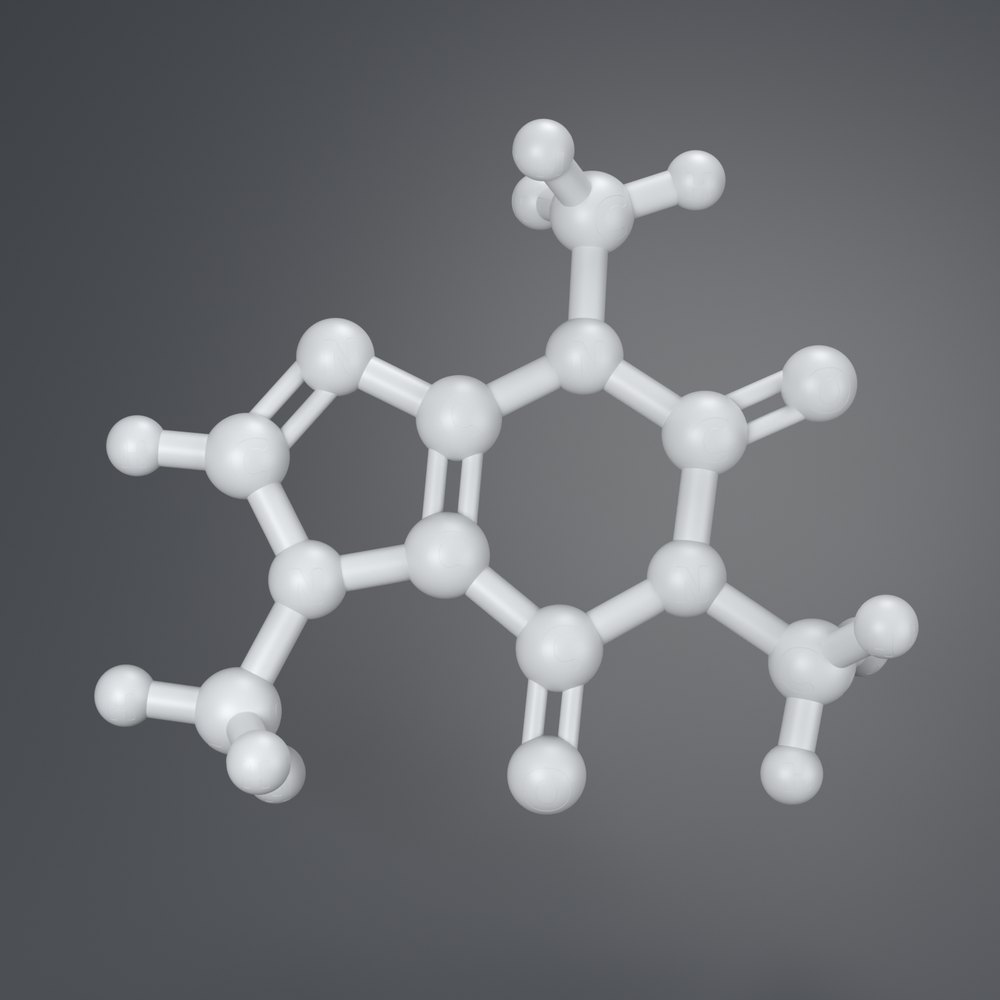
Plain model · one colour, no letters
The standard single-colour 3D-printed model. Students must work out each atom from its position and bonds.
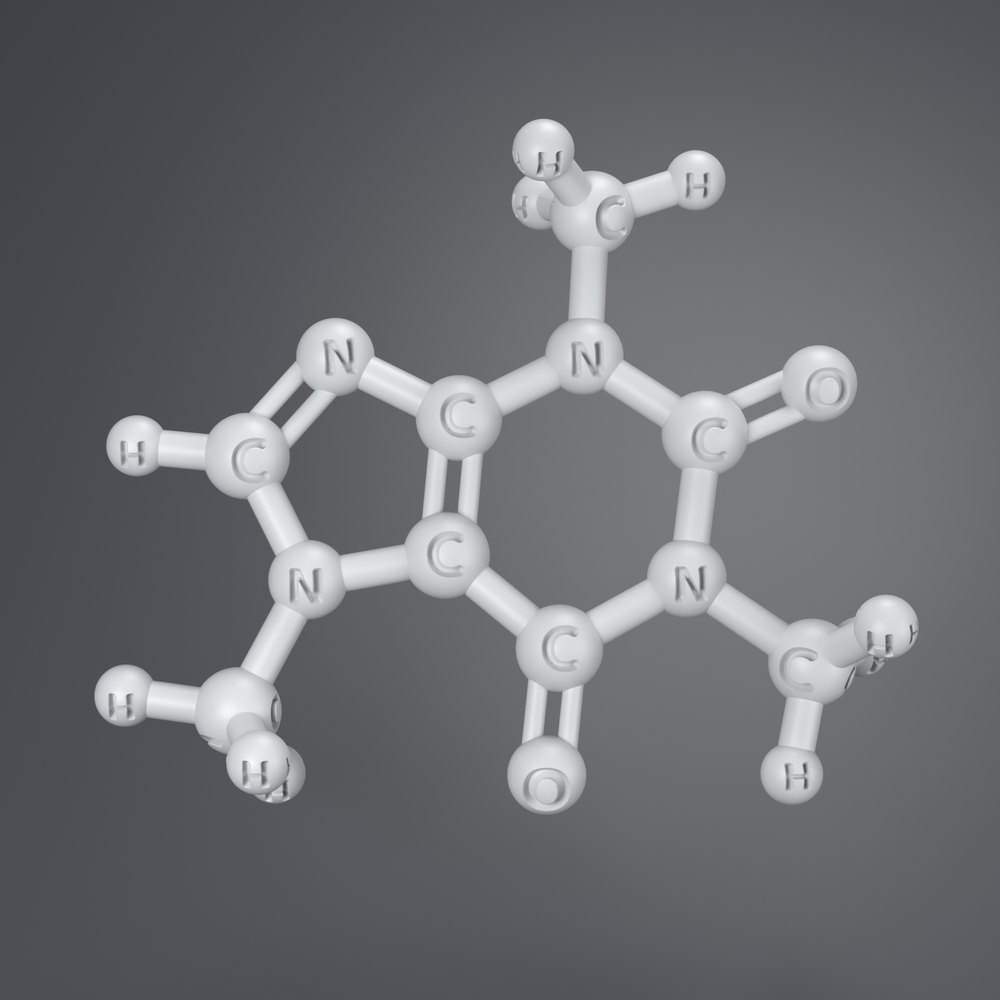
Engraved model · one colour, engraved letters
Exactly the same model, same size, same material, with the element symbol engraved on every atom. The letter is the only difference.
What the pilot is for: it is a first, small step. It tests the procedure and the materials in real classes and gives us a first look at the question behind the project. It does not test the hypotheses; that is the job of the preregistered studies that follow. The question behind it: does the engraved letter, on its own, change how well students
- identify atoms,
- understand the structure
- and remember it a week later?
The pilot compares only these two versions. The full study planned afterwards adds colour models and compares four versions, so that the effect of colour and the effect of the letter can be separated; it is described in our research proposal, with all 20 hypotheses and the results that would prove them wrong.
We will publish the results of the formal studies — whether engraved symbols improve learning, make no measurable difference, or create unexpected disadvantages.
The school pilot itself is not one of them: we use it only to improve the lesson, the models and the procedure, and we do not publish its classroom data as research findings. The formal studies start only after approval by the ethics committee of a partner university, with the consents that committee requires from parents or guardians and from students.
Honest status
No results from students exist yet.
Earlier research shows that handling physical 3D-printed models can help students learn, but it did not test engraved letters. We publish the question before the data, and we will publish the answer whatever it is, including “no difference” or “the letters slow students down”.
2. What MolGod provides, free of charge
Printed models for your class
One model per pair of students, in the version assigned to that pair’s group: the same model with or without engraved symbols, identical in everything else. Models are free, subject to availability: we confirm the number, shipping and timing with each school individually before it joins the pilot.
A ready lesson
The Caffeine Lesson: All-in-One Kit: minute-by-minute script, projector slides, worksheet and answer key.
The protocol and the tests
A one-page protocol that says exactly who gets which model, plus a short test before the lesson, after it and one week later.
A report on your class
Once your results are in, a short summary for your class: how the two groups did, with no individual student shown.
3. What a teacher does, and how long it takes
BeforeAgree it with your school
Check that your school is happy for the class to take part, and follow its rules on information for parents or guardians. We send a one-page description you can forward.
5 minShort test before the lesson
The same short test for everyone, on paper or online.
45 minThe lesson, with two kinds of model
Hand out the models as the protocol says, so that half the pairs get the plain model and half get the engraved model, chosen at random. Everything else is the same for everyone: the same lesson, the same time, the same tasks.
5 minThe same test straight after
Models away, the same questions again.
5 min, a week laterA short memory test
Without the models: what stayed?
10 minSend us the anonymous results and your opinion
Scores by group, with no names, and a few lines on what worked and what did not.
4. How students’ data are protected
- No names we never ask for students’ names, school numbers, photos or contact details; results carry only a group label and an anonymous code.
- Voluntary any student may decline the tests without giving a reason, and the lesson works the same for them.
- Two different things the pilot tests the protocol and improves the teaching materials; it is not yet a formal research study with an approved ethics protocol.
- A formal research study, with results published in a journal, will run only after it is preregistered and approved by the ethics committee of a partner university, with the consents that committee requires.
- Your class, your data you see your own class’s summary; we report results across schools only in aggregate.
5. For parents and guardians
- What happens in class. A normal 45-minute chemistry lesson about caffeine, with 3D-printed models of the molecule shared by pairs of students. Nobody tastes or drinks anything; jars stay closed in the teacher’s hands.
- The short tests. The same few questions before the lesson, after it and a week later. They are voluntary, and a student who declines takes part in the lesson in the same way.
- Data. No names, photos or contact details of students are collected; answers carry only a group label and an anonymous code, and teachers see only their own class summary.
- What we do with it. In this pilot, only improving the materials; nothing from your child’s class is published as a research result.
- Questions. Ask the teacher or write to pure@molgod.org.
Pilot phase · first schools
Ask to join
Write to pure@molgod.org and tell us:
- your school or university, and the country;
- the subject and the age of the students;
- roughly how many students (and so how many pairs);
- a possible date for the lesson;
- whether your school can give the approval it requires for taking part.
Please do not send students’ names or any personal data about them. We reply with the protocol, the one-page description for your school, and whether and when we can supply the models.
Everything connected to this pilot
Colour, letters, or both? The four model versions, 20 hypotheses and the studies planned after this pilot.
Caffeine Lesson: All-in-One Kit, with slides, script, worksheet and answer key.
The same two tasks as the studies, finding and naming atoms, on four versions of caffeine.
The molecule, its ten reference spectra and the printable models.
The project behind the models: how they are made and how we intend to test them.
Printable molecules for your class, plain and engraved.