Kaliumchlorid

CAS 7447-40-7  ·  ClK  ·  MW 74.55 g/mol

Molekül wird geladen...
3D-Modell Potassium Chloride, CAS 7447-40-7, Summenformel ClK, molare Masse 74.55 g/mol

Modellansichten

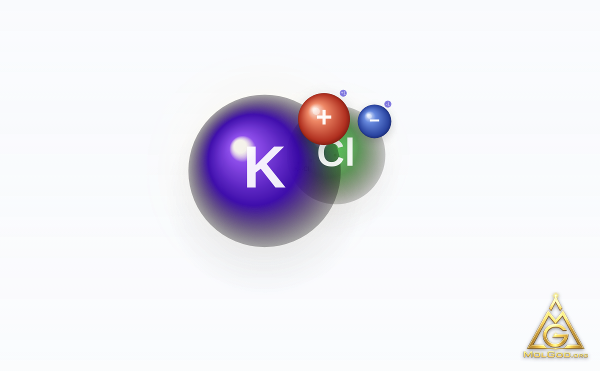
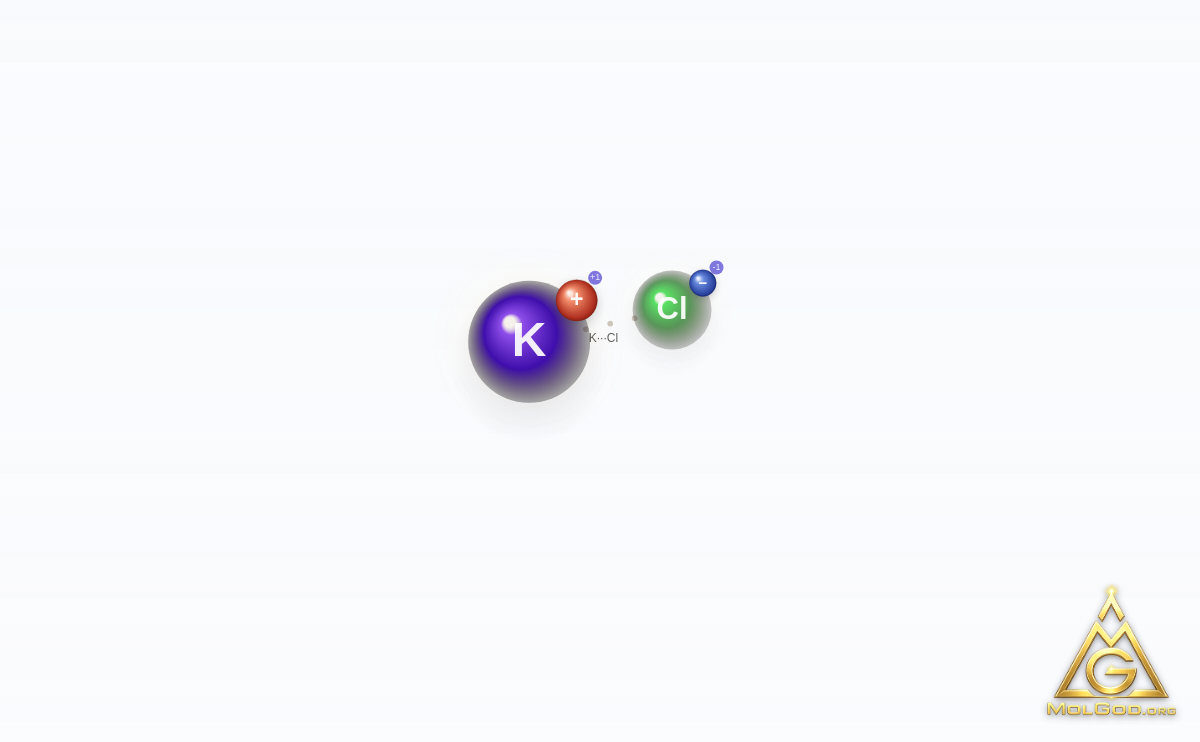
  • Kaliumchlorid (CAS 7447-40-7) – Kugel-Stab-Modell (flache Projektion), MolGod Viewer
    Kugel-Stab-Modell (flache Projektion)
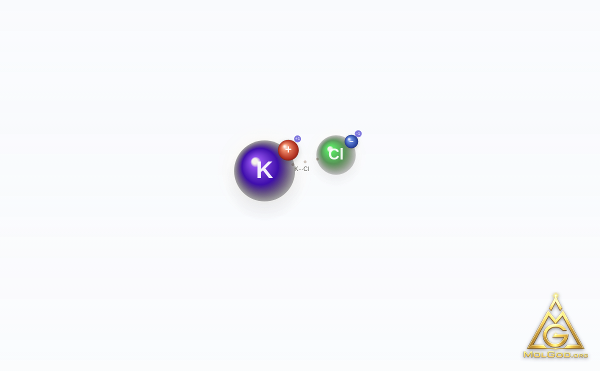
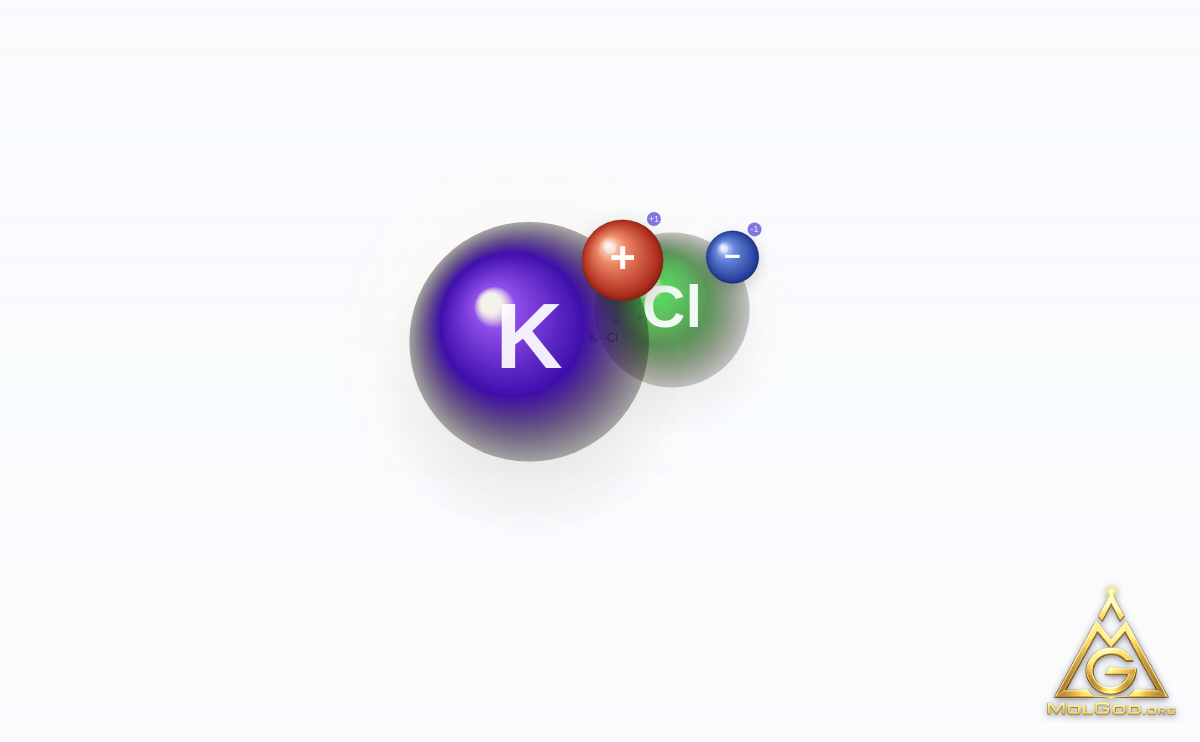
  • Kaliumchlorid (CAS 7447-40-7) – Skelettmodell (flache Projektion), MolGod Viewer
    Skelettmodell (flache Projektion)
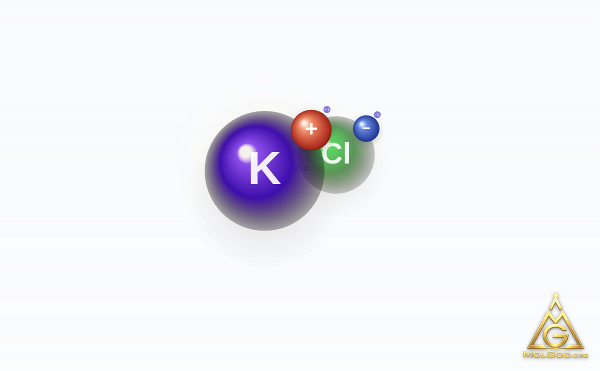
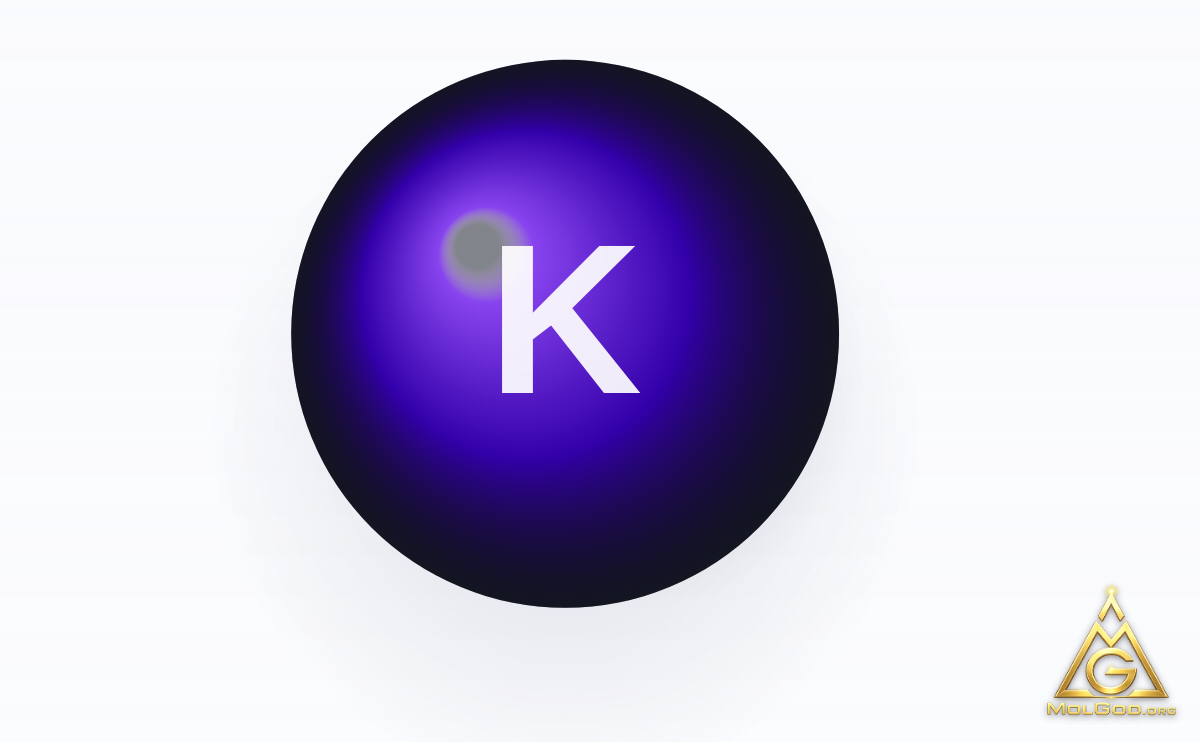
  • Kaliumchlorid (CAS 7447-40-7) – Kalottenmodell (flache Projektion), MolGod Viewer
    Kalottenmodell (flache Projektion)
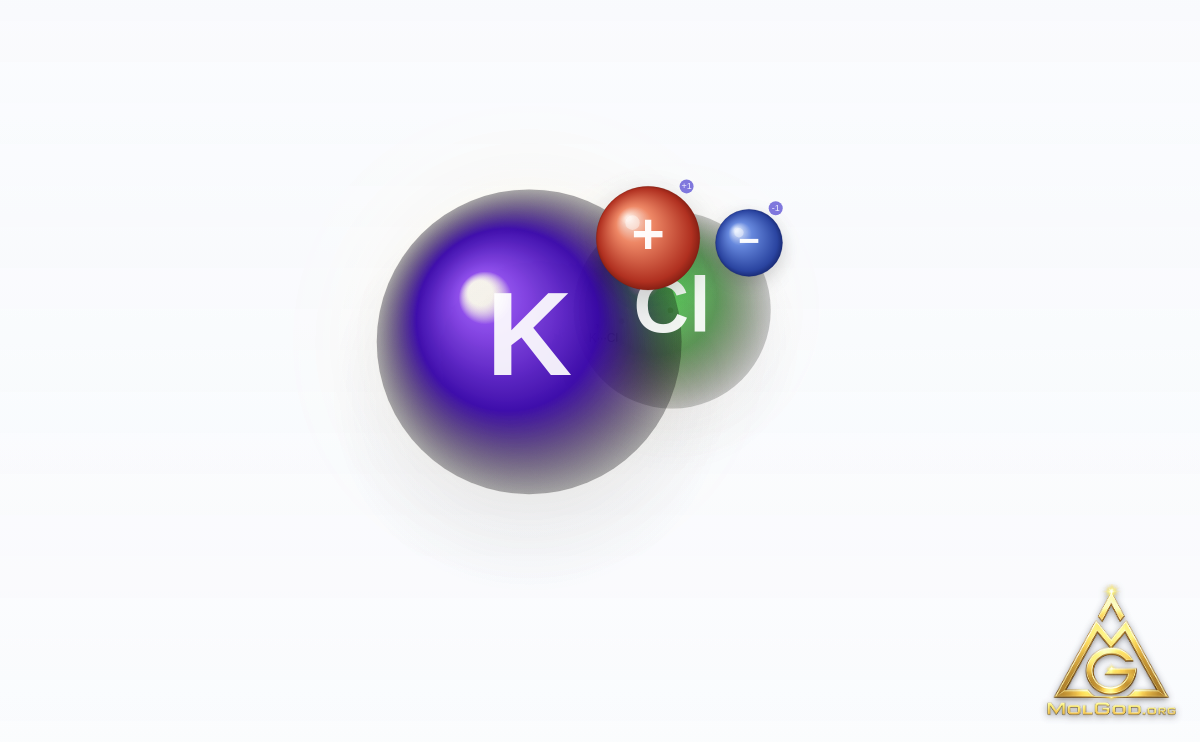
  • Kaliumchlorid (CAS 7447-40-7) – 2D-Struktur, MolGod Viewer
    2D-Struktur

© 2026 MolGod.org. Alle Rechte vorbehalten. · Bildrechte

Über Kaliumchlorid

Kaliumchlorid ist eine chemische Verbindung, registriert unter der Nummer CAS 7447-40-7, mit der Summenformel ClK, und einer Molmasse von 74.55 g/mol.

Das Molekül enthält 2 Atome, verbunden durch 1 chemische Bindungen. Der vollständige systematische IUPAC-Name dieser Verbindung lautet potassium chloride. Das interaktive 3D-Modell oben zeigt die räumliche Anordnung der Atome — Sie können es mit der Maus drehen, mit dem Scrollrad zoomen und zwischen den Darstellungsmodi Skelett / Ball & Stick / Space Fill wechseln.

Hinsichtlich der physikalisch-chemischen Eigenschaften polare Oberfläche PSA = 0 Ų, 0 Donatoren und 1 Wasserstoffbrücken-Akzeptoren. Diese Parameter sind entscheidend für die Beurteilung der Bioverfügbarkeit und der Wechselwirkung mit Biomolekülen.

Die chemischen Daten für diese Verbindung stammen aus PubChem (NIH NLM NCBI), einer der größten chemischen Datenbanken der Welt. Alle Informationen werden automatisch aktualisiert und um GHS-Gefahrenhinweise gemäß der CLP-Verordnung (EG 1272/2008) ergänzt. Das interaktive 3D-Modell und die Bilder des Viewers sind urheberrechtlich geschützt (© MolGod.org) — Nutzungsbedingungen: molgod.org/copyright/.

Physikalisch-chemische Eigenschaften
Molecular formulaClK
Molar mass74.55 g/mol
IUPACpotassium chloride
SMILES[Cl-].[K+]
InChIKeyWCUXLLCKKVVCTQ-UHFFFAOYSA-M
logP (XLogP3)—
PSA0 Ų
HBD / HBA0 / 1
PubChem CIDCID 4873 ↗
Wissenschaftliche Literatur

Related literature

2 articles · 1 open access · Sources: PubMed, OpenAlex, Semantic Scholar

Filter:Export:📄 BibTeX📑 RIS📋 EndNote🔧 CSL-JSON

📈 Publikationszeitachse (Anzahl der Artikel: 2)

2004: Anzahl der Artikel 120042022: Anzahl der Artikel 12022

Balkenhöhe = Anzahl der Artikel im jeweiligen Jahr. Bewegen Sie den Mauszeiger über einen Balken, um Details anzuzeigen.

Data from PubMed (NIH NLM), OpenAlex (CC0), Semantic Scholar (AI2). AI Summary generated by Semantic Scholar TLDR. Articles marked with require paid access.

Synonyme
potassium chloride · 7447-40-7 · Klotrix · Sylvite · Enseal · Slow-K · Muriate of potash · Neobakasal · Klor-Con · Chlorvescent · Acronitol · Potavescent · Kalitabs · Kaochlor · Pfiklor
Datenquellen
Verwandte Moleküle
📜 Lizenz und ProvenienzPREDICTED MODEL · NOT VERIFIEDMolGod_License_1
PREDICTED MODEL — NOT VERIFIED
computed by MolGod Scientific · experimental feature (beta) · may contain errors
ILLUSTRATIVE FRAGMENT ARRANGEMENT — relative positions are not structural data

No source 3-D conformer was available to MolGod for this substance. MolGod Scientific computed this geometry from the structural formula with RDKit 2026.03.6 (no conformer embedding or force-field optimisation was needed: the substance consists of single-atom ions only, whose arrangement is a presentation convention). It is not a measured structure, it does not come from PubChem, and it has not been compared with experimental data. It shows one possible conformation.

This substance consists of 2 separate components (for example ions). Each component was computed separately; they are arranged radially around a layout anchor for visualisation only (at least 3.0 Å apart). Their relative positions are not a crystal structure, coordination geometry, ionic contacts or any experimentally determined arrangement.

Methods and references
  1. RDKit: Open-source cheminformatics, version 2026.03.6. Zenodo. doi:10.5281/zenodo.22140358 (all versions: doi:10.5281/zenodo.591637)
  2. Heller SR, McNaught A, Pletnev I, Stein S, Tchekhovskoi D. InChI, the IUPAC International Chemical Identifier. J. Cheminform. 2015, 7, 23. doi:10.1186/s13321-015-0068-4
  3. Kim S, Chen J, Cheng T, et al. PubChem 2025 update. Nucleic Acids Res. 2025, 53, D1516-D1525. doi:10.1093/nar/gkae1059 Compound record: https://pubchem.ncbi.nlm.nih.gov/compound/4873
  4. Bolton EE, Kim S, Bryant SH. PubChem3D: Conformer generation. J. Cheminform. 2011, 3, 4. doi:10.1186/1758-2946-3-4 (cited for contrast: no source 3-D conformer was available to MolGod for this record)

MG-STL-7447-40-7-ENGRAVED

potassium chloride (CAS 7447-40-7), ClK - 3D ball-and-stick molecular model, MolGod STL previewBild herunterladen

MG-STL-7447-40-7-NORMAL · 640 △ · 31 KB · SHA-256 ec0e9524babe8dad

3D-Modell herunterladen

Modell
potassium chloride · 7447-40-7
InChIKey
WCUXLLCKKVVCTQ-UHFFFAOYSA-M
Lizenz
CC BY-SA 4.0 International (Quellenrechte ungeklärt — noch nicht erteilt)
Namensnennung
MolGod Scientific — potassium chloride (CAS 7447-40-7)
Lizenz- und Provenienzeintrag
potassium chloride (CAS 7447-40-7) →
MolGod-Moleküleintrag
potassium chloride →
Quelldaten
PubChem CID 4873 ↗
Modellinformationen
STL erzeugt von MolGod · MolGod STL Exporter build 2ea9a8c82836 · erzeugt 2026-10-22
SHA-256 (STL)
ec0e9524babe8dad16270f746304faabef90b1a06cf644b492b680797fc57db5
MD5 (STL)
6dc7974d8f503917c5b6206f36fbf152
Modellkennung
MG-STL-7447-40-7
Transformation
MolGod Scientific Kugel-Stab-Netz
Änderungen
PREDICTED geometry computed by MolGod Scientific (RDKit), NOT verified; rendered as a triangulated mesh.
Wikimedia Commons
noch nicht veröffentlicht
Kostenloses Molekülmodell zum Drucken
Laden Sie das Modell herunter, drucken Sie es aus und nutzen Sie es im Unterricht. Wenn Sie ein Foto, ein Material oder eine Bearbeitung veröffentlichen, verlangt die Lizenz CC BY-SA 4.0 International: „MolGod Scientific“ als Urheber des Modells nennen, auf das Original und den Lizenztext verlinken, vorgenommene Änderungen kenntlich machen und Bearbeitungen unter derselben Lizenz weitergeben. Einen fertigen Namensnennungstext finden Sie in diesem Abschnitt. Ohne Registrierung, ohne Kosten und ohne Pflicht zur Bewertung.

Diese Lizenz gilt für das von MolGod erstellte STL-Mesh, nicht automatisch für Quellmaterial Dritter.

—